


Curtain materials guide: expert tips for stunning windows
- Woven Dwelling
- 4 days ago
- 8 min read
TL;DR:
Choosing the right curtain material depends on light control, privacy, and room function.
Materials like cotton, linen, velvet, and polyester suit different aesthetic and functional needs.
Proper testing, measuring, and layering ensure optimal energy efficiency and visual appeal.
Choosing the right curtain material is one of the most consequential decisions in any home decorating project. The fabric you select shapes how much light filters into a room, how private your space feels, and even how well your home holds heat in winter. Yet most homeowners stand in front of a wall of fabric swatches feeling genuinely uncertain about where to start. This guide walks you through the key criteria, the most popular material options, a side-by-side comparison, and practical steps to bring your window treatment vision to life with confidence.
Table of Contents
Key Takeaways
Point | Details |
Match material to room | Each room has different requirements—choose materials based on light, privacy, and moisture. |
Test before buying | Order fabric samples and view them in your actual space before making a decision. |
Measure for fullness | Proper measurements (1.5–2.5x width) are key to stylish, full-looking curtains. |
Energy savings possible | Choosing and lining curtains correctly can help you cut energy use by as much as 32%. |
What to consider before choosing curtain materials
Now that you understand why your material choice matters, let’s define the criteria that should drive your decision. Before you browse a single swatch, it pays to think through what you actually need from your curtains.
Here are the most important factors to evaluate:
Light control: Do you need sheer panels that soften sunlight, or opaque fabric that blocks it entirely?
Privacy: Street-facing rooms demand more coverage than a second-floor bedroom.
Room location and sun exposure: South-facing windows receive intense afternoon light, which can fade delicate fabrics faster.
Style goals: Formal rooms call for structured, heavier fabrics; casual spaces benefit from relaxed linen or cotton.
Maintenance: Some fabrics are machine washable; others require dry cleaning.
Energy efficiency: Lined or layered curtains reduce heat transfer at windows, lowering utility costs.
Budget: Material cost varies widely, from affordable polyester blends to investment-grade silk.
Pro Tip: Before committing to any fabric, measure window width 1.5 to 2.5 times for proper fullness, and always test samples in your actual space under natural and artificial light.
Thinking through these criteria upfront saves you from costly remakes. If you want deeper guidance, reviewing how to select the right fabric for drapery can clarify which weights and weaves suit different applications. You can also explore a broader overview on how to choose window curtains to anchor your planning process before you shop.
Top curtain material options explained
Once you’re clear on your criteria, it’s time to match them to material options. Each fabric type brings a distinct set of qualities that make it better suited to certain rooms and goals.
Cotton: Versatile, easy to launder, and available in countless weaves and prints. Cotton works in almost every room and holds dye well for vibrant, lasting color.
Linen: Light and airy with a relaxed, casual elegance. Linen offers a breezy look that diffuses light beautifully, though it wrinkles more readily than other options.
Polyester: The practical choice. It resists fading, holds its shape, and costs less than natural fibers. The tradeoff is reduced breathability.
Velvet: Rich and substantial, velvet insulates well and creates a near-blackout effect. It suits formal living rooms and bedrooms where drama and warmth are priorities.
Silk: Luminous and refined, silk catches light in a way no other fabric matches. It requires lining to protect against sun damage and is best reserved for low-traffic, low-humidity rooms.
Blends: Fabric blends combine the strengths of multiple fibers. A cotton-polyester blend, for example, offers the natural feel of cotton with added durability and wrinkle resistance.
Pro Tip: When evaluating fabrics for window treatment performance, hold the sample up to a window in your home. The way light passes through it tells you far more than any product description.
Each material has a personality. Matching that personality to your room’s function and your personal aesthetic is the core skill in selecting curtain fabric.
Curtain materials comparison table
To simplify your selection, here’s how leading curtain materials stack up side-by-side.
Material | Pros | Cons | Maintenance | Best rooms | Cost range |
Cotton | Versatile, washable, colorfast | Can shrink if not pre-washed | Machine wash | Any room | Low to mid |
Linen | Airy, elegant, light-filtering | Wrinkles easily | Hand wash or dry clean | Living rooms, dining rooms | Mid |
Polyester | Durable, fade-resistant, affordable | Less breathable | Machine wash | Kitchens, kids’ rooms | Low |
Velvet | Insulating, luxurious, blackout-capable | Heavy, harder to clean | Dry clean | Bedrooms, formal rooms | Mid to high |
Silk | Luminous, refined finish | Sun-sensitive, needs lining | Dry clean only | Formal living rooms | High |
Blends | Balanced performance, durable | Varies by fiber mix | Varies | Versatile, most rooms | Low to mid |
Material choice is not just about looks. Curtain type and lining can affect energy use by up to 32%, making fabric selection a practical decision as much as a decorative one. Lined velvet or thermal-backed polyester, for instance, can meaningfully reduce heat loss through windows during colder months.
For more on how to maximize the thermal performance of your window treatments, the guide on energy-saving curtain styles is a useful reference. Understanding drapery fullness also plays a role, since fuller panels provide better insulation and a more polished appearance.
Best curtain material for every room and need
Knowing the differences between materials, apply that info to each space in your home. Room conditions vary significantly, and the best fabric for a sun-drenched kitchen is rarely the right pick for a formal dining room.
Kitchens: Choose moisture-resistant synthetics or polyester blends. They handle steam, cooking odors, and frequent washing without degrading.
Bedrooms: Velvet or blackout-lined fabrics block light effectively and add a layer of acoustic softness that improves sleep quality.
Living rooms: Linen or linen blends strike the right balance between light filtering and style. They work with both contemporary and transitional interiors.
Bathrooms: Opt for easy-care, mildew-resistant fabrics. Polyester or solution-dyed synthetics hold up well in high-humidity environments.
Sunrooms and outdoor spaces: Waterproof canvas or solution-dyed acrylic fabrics resist UV degradation and moisture without sacrificing appearance.
Room | Recommended material | Key reason |
Kitchen | Polyester blend | Moisture and stain resistant |
Bedroom | Velvet or blackout-lined cotton | Light blocking, insulating |
Living room | Linen or cotton blend | Light filtering, stylish |
Bathroom | Solution-dyed synthetic | Mildew resistant |
Sunroom | Waterproof canvas or acrylic | UV and weather resistant |
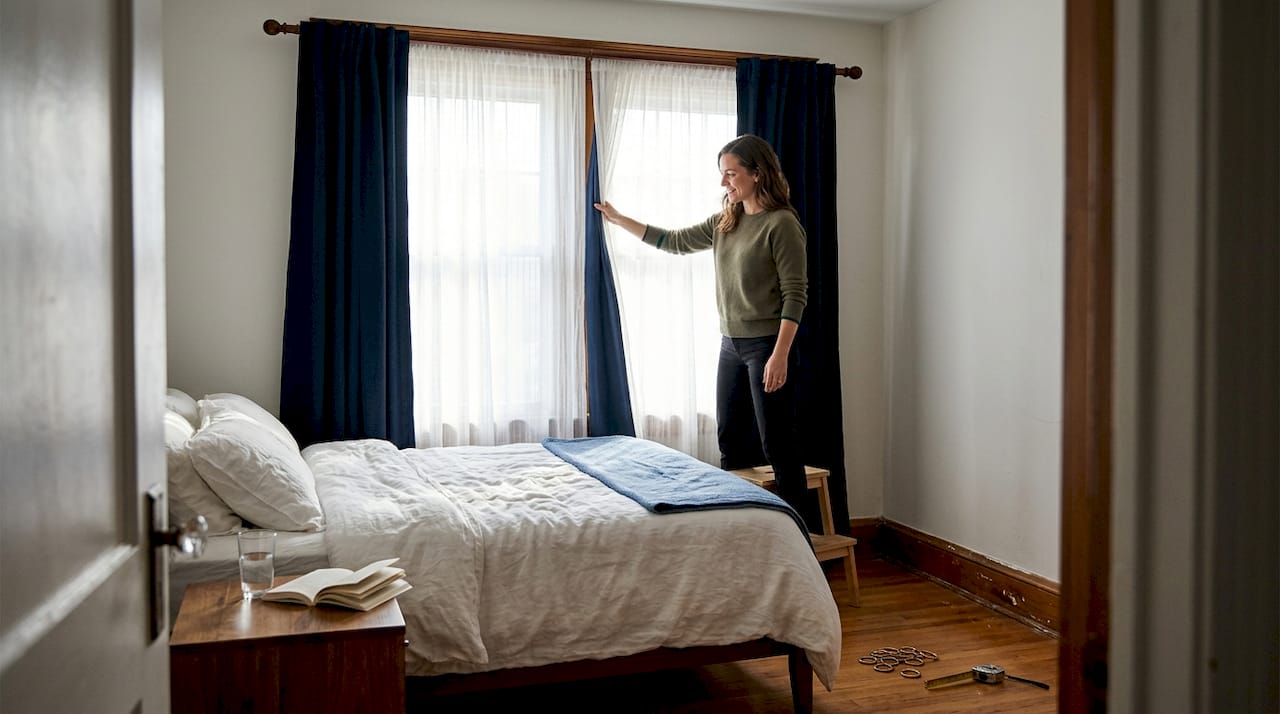
Pro Tip: Layering a sheer panel with a heavier drape gives you flexible light control throughout the day. Proper layering and material selection can cut energy bills by up to 32% while elevating the room’s overall design.
For a broader look at how window treatments function across different room types, the overview of types of window treatments and the article on the role of window treatments in home comfort both offer useful context.
Final steps: Testing, measuring, and installing for perfect results
Once you’ve picked your fabric, follow these step-by-step instructions to complete your window transformation.
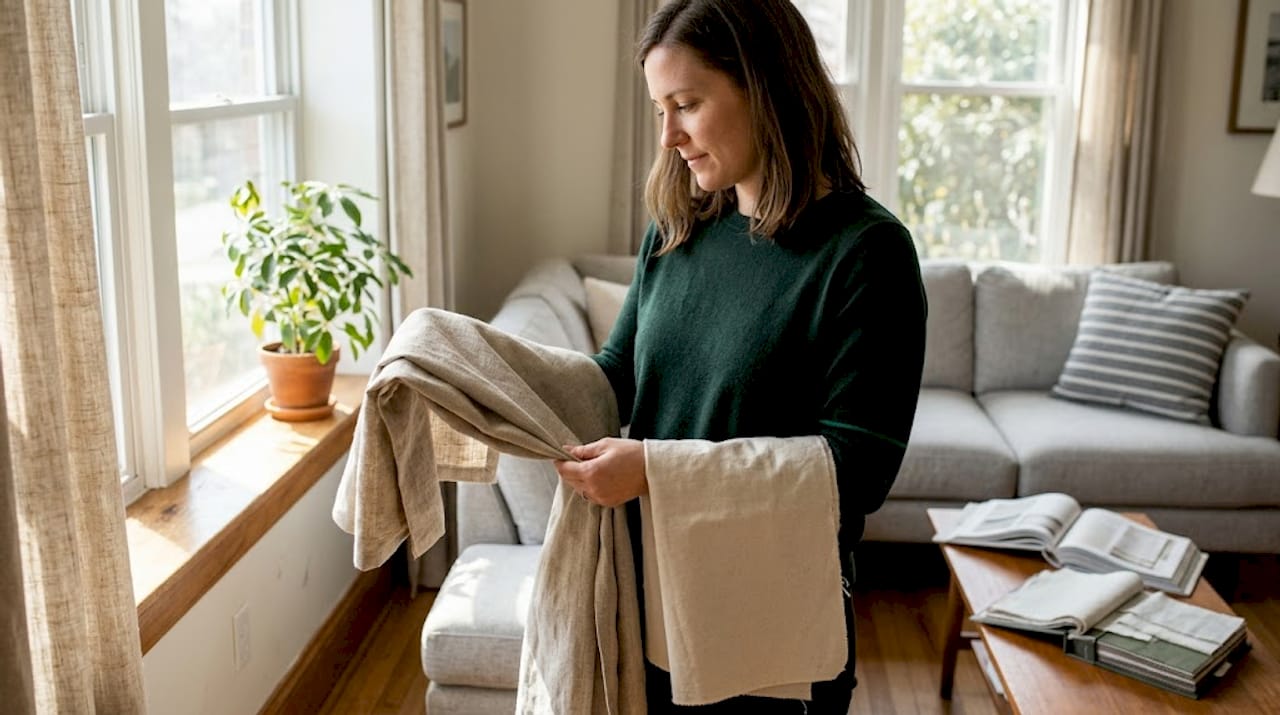
Order fabric samples first. Request swatches from your shortlisted materials and live with them in your space for at least 48 hours. Observe how they look in morning light, afternoon sun, and evening lamp light.
Measure your window width. Order samples and measure generously for professional-looking fullness. Multiply your window width by 1.5 for a tailored look or by 2.5 for a lush, gathered appearance.
Determine your length. For a formal look, panels should just graze or slightly puddle on the floor. For a clean, modern finish, stop the hem half an inch above the floor.
Plan your mounting position. Hang the rod 4 to 6 inches above the window frame and extend it 6 to 12 inches beyond each side. This makes windows appear taller and wider.
Install with precision. Use a level when mounting brackets to ensure panels hang evenly. Double-check bracket spacing before drilling.
Hanging curtains high and wide is the single most effective way to make a room feel larger and more refined without changing a single piece of furniture.
Pro Tip: For a complete walkthrough of the installation process, the DIY installation guide covers bracket placement, rod selection, and finishing techniques in detail.
What most curtain material guides miss
After mastering the step-by-step process, here’s an industry-insider view you won’t find in most guides. The standard advice covers fabric types and room recommendations well enough. What it rarely addresses is the gap between reading about a fabric and actually living with it.
Most DIYers skip the sample-testing step entirely. They order based on a screen image and are surprised when the color reads differently on their wall or the fabric feels stiffer than expected. Lighting conditions in your specific room, at different times of day, change how every fabric looks and performs.
Seasonal needs are equally overlooked. A linen panel that feels perfect in July may leave your living room cold and drafty by December. The smarter approach is to think about your window treatment as a layered system, not a single fabric decision.
Lining is the most underused tool in the DIYer’s kit. A basic cotton lining can transform an average polyester panel into a better insulator and give it the weight and drape of a far more expensive fabric. Exploring your options for the right drapery fabric alongside lining choices often produces better results than upgrading the face fabric alone.
Personalization matters more than any universal recommendation. Your windows, your light, your lifestyle. No single material is right for every home.
Transform your home with the right curtain fabric
Ready to take the next step in your curtain project? Here’s where to find expert guidance and premium fabric options.

At Beautiful Windows Elgin, you’ll find an extensive, curated selection of curtain and drapery fabrics spanning cotton, linen, velvet, jacquard satin, and specialty blends. Whether you’re outfitting a formal dining room or a sun-soaked patio, the right material is available. For outdoor and high-humidity spaces, the silver waterproof canvas fabric offers durable, weather-resistant coverage without sacrificing refined appearance. Browse the full fabric collection online or request a design consultation to get personalized guidance for your specific windows and style goals.
Frequently asked questions
How do I know which curtain material is best for my living room?
Choose based on how much light you want, your style preference, and insulation needs. Linen is light-filtering, blends are versatile, and velvet works best when you want a blackout effect.
Can curtain material really help save energy?
Yes. Lined or thermal curtains can cut energy use by up to 32% by reducing heat loss in winter and blocking solar gain in summer.
What should I do before buying curtain material?
Order fabric samples, observe them in your space under different lighting conditions, and measure window width 1.5 to 2.5 times for proper fullness and a polished result.
Are there curtain materials that should be avoided in kitchens or bathrooms?
Avoid silk and velvet in kitchens or bathrooms. Moisture-resistant synthetic blends or solution-dyed polyester fabrics handle humidity and frequent cleaning far better in those environments.
Recommended
Comments